Zongo Flavors: A Culinary Heritage of Resilience
Rooted in migration, seasoned with survival.

In the heart of Ghana’s cities, the Zongo communities are more than just neighborhoods — they are living archives of migration, resilience, and shared heritage. The word Zongo comes from the Hausa language, meaning “camp” or “settlement,” and historically described areas where migrants, traders, and travelers from across West Africa settled.
Over time, these settlements grew into vibrant urban enclaves, blending languages, faiths, and above all — flavors.
The Zongo story begins with movement. From Niger, Nigeria, Mali, Burkina Faso, and beyond, families carried their traditions, their spices, and their recipes across borders. When they arrived in Ghana, they adapted — replacing ingredients they couldn’t find with local produce, merging culinary techniques, and creating a food culture that is uniquely Zongo.
It is a cuisine built on resourcefulness and memory. From the smoky heat of suya grilled over open flames, to the soft comfort of tuwon chinkafa paired with rich miyan kuka, every dish tells a story of migration and adaptation. The flavors are bold, the cooking is sl
ow and intentional, and the meals are meant to be shared.
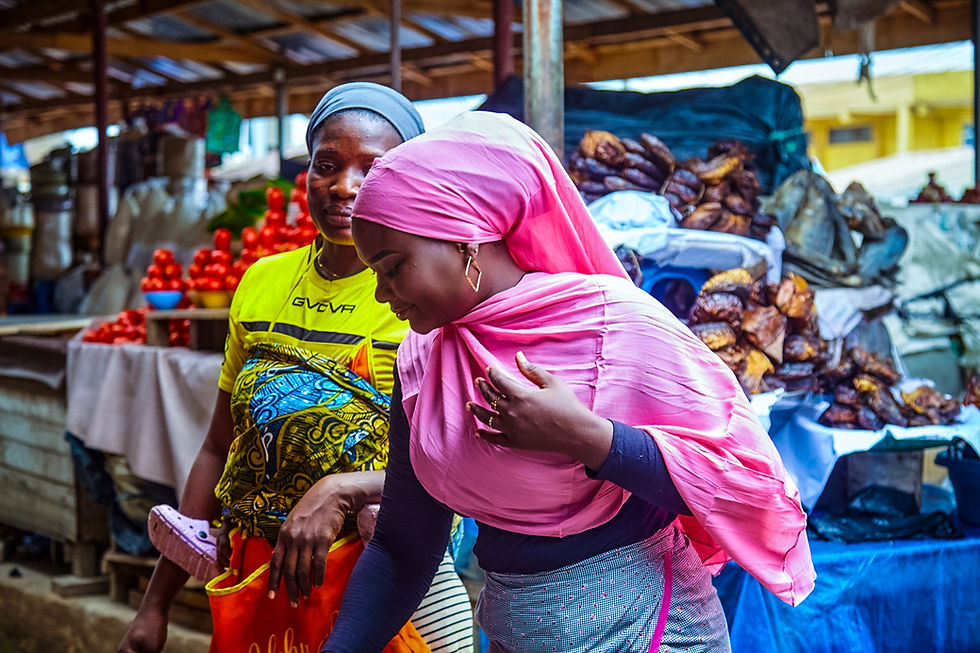
The markets of Zongo are a world of their own. Stalls overflow with dried okra, groundnut paste, millet flour, sorghum, and spice blends — each tied to a different homeland, each adjusted through generations of life in Ghana. Vendors greet customers in Hausa, Twi, Ga, or English, reflecting the melting pot that makes the community thrive.
For me, these flavors are home. They remind me of my parents’ kitchen — the steady bubbling of a pot, the scent of fried onions, the rhythm of greetings echoing through the market. Cooking these dishes today is my way of honoring the generations who turned scarcity into abundance, and migration into community.
Through AFRO EATS by haja, I share Zongo food not as a relic of the past, but as a living tradition — proof of resilience, creativity, and the joy of keeping our heritage alive. Because in every bite of Zongo cuisine, there is a journey. And that journey is an open invitation to sit at the table, taste, and belong.
Story by; Hajaratu Ayuba.


Comments